

In the increasingly dense fog of the cryptocurrency market, a new wave of uncertainty begins to break through. “Signs of Crypto Bottom? FT Adds Bitcoin’s Triad of Pessimism” explores not only price fluctuations but also the complex nuances of investor sentiment and financial analysis surrounding Bitcoin. As headlines from the Financial Times add a touch of pessimism to the cryptocurrency equation, we wonder if we are witnessing a turning point or merely a natural correction. This analytical perspective, balanced and carefully honed, opens an essential discussion about the future of a technology that continues to polarize and attract entire communities. 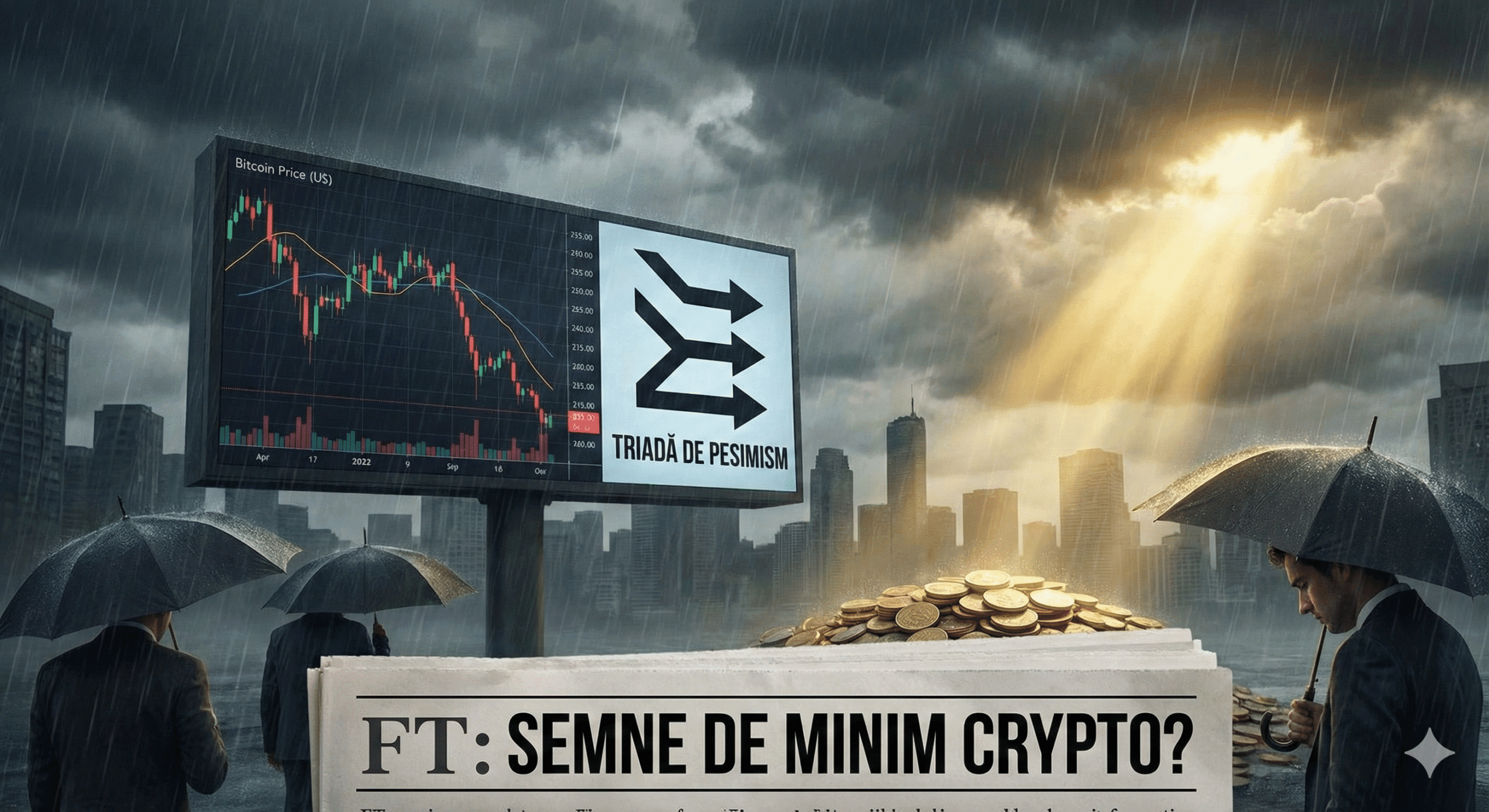 Signs of Crypto Bottom? FT Adds Bitcoin’s Triad of Pessimism
Subtle signals indicating a potential bottom in the crypto market
Despite the overall sentiment of uncertainty, there are subtle signals that may suggest the crypto market could be nearing a bottom. Recent analysis highlights a series of often-overlooked micro factors that are beginning to align in a way that indicates a possible stabilization of prices. Among these are a gradual reduction in trading volumes on spot markets, technical divergences on major charts, as well as a decrease in speculative activity on futures platforms.
- Fear & Greed Index shows persistent levels of extreme fear, a historical indicator of exaggerated reactions in markets.
- Capital flows to DeFi projects and NFTs have significantly slowed, signaling a reevaluation of risks by investors.
- Reduced availability of coins on exchanges creates the premises for sudden moves in the near future, favoring potential rallies.
| Indicator | Significant for bottom | Observations |
|---|---|---|
| Trading volume | Low | Reduction over 3 consecutive weeks |
| Fear & Greed Index | Below 20 | Extreme fear persists |
| Futures activity | Decreasing | Fewer speculative positions |
Impact of FT adding the triad of pessimism on Bitcoin
- Heightened volatility: sudden and unexpected fluctuations in Bitcoin’s price, discouraging short-term traders;
- Regulatory pressure: authorities intensifying controls, adding uncertainty and restrictions;
- Doubts about safety: recent hacking incidents and fraud increase distrust and fear of losses.
| Factor | Description | Impact |
|---|---|---|
| Volatility | Short-term price fluctuations | Decreased investor confidence |
| Regulation | Strict policies and heightened controls | Limiting market access |
| Security | Increased hacking risks | Reluctance in use |
Detailed analysis of investor reactions and emerging trends
- Conservative skeptics: prefer to consolidate positions through partial sales to limit exposure to volatility.
- Aggressive short-term players: seek to capitalize on short-term fluctuations generated by rumors and fears.
- Strategic long-term investors: see the opportunity as an entry point, anticipating a return in the next growth cycle.
At the same time, emerging trends indicate an accelerated diversification of portfolios, with increased interest in non-fungible tokens (NFTs) as well as decentralized finance (DeFi) projects. In the table below, we summarize major changes from recent months, highlighting the correlations between market sentiments and capital allocation:
| Investor Type | Main Action | Portfolio Trends |
|---|---|---|
| Conservative skeptics | Reducing exposure to Bitcoin | Increasing share of stablecoins |
| Short-term players | Active trading and speculation | High volatility, frequent rotations |
| Long-term investors | Selective purchases at low prices | Increasing allocations to DeFi and NFTs |
- Setting clear financial goals, flexible to market changes
- Using automatic stop-losses to limit losses
- Avoiding total exposure to a single asset or market segment
- Constantly monitoring reliable sources to cope with the “triad of pessimism”
- Maintaining a long-term strategy, without impulsive reactions to negative news
Long-term outlook and key factors that can influence market evolution
Looking towards the long-term horizon, the evolution of the crypto market remains influenced by a mix of essential factors that can redefine the classic trajectories of Bitcoin and other major cryptocurrencies. Technological adaptability, government regulations, and investor sentiment will play decisive roles. For example, the integration of advancements in blockchain technology, such as Layer 2 Solutions, can create a solid foundation for scalability and widespread adoption, while legislative changes, such as the imposition of new taxes or increased transparency requirements, could potentially generate heightened volatility.
- Technological innovation: faster and more secure blockchain ecosystems;
- Regulations and economic policies: the legal framework shaping market sentiment;
- Institutional adoption: participation of major financial players or companies;
- Macro-economic trends: inflation, financial crises, or global monetary policies.
| Factor | Possible Impact | Estimated Time |
|---|---|---|
| Institutional adoption | Price increase and trading volume | 1-3 years |
| Strict regulations | Higher volatility, possible corrections | Immediate – 12 months |
| Technological innovations | Increased trust and mass adoption | 2-5 years |
Final thoughts
In conclusion, the signals of a crypto bottom seem to be becoming clearer, and the addition of Bitcoin’s triad of pessimism by the FT only intensifies the uncertainty in the market. In such a volatile and unpredictable digital landscape, cautious investors will continue to closely monitor developments, balancing between hope and caution. It remains to be seen whether this wave of pessimism will be the catalyst for profound changes or merely a passing episode in the saga of cryptocurrencies. What is certain is that the crypto adventure continues to surprise, and the next chapter is being written right now, before our eyes.