

In a move that promises to rewrite the rules of the real estate market, Dubai is launching an ambitious $16 billion tokenization plan. The city, known for innovation and avant-garde, is preparing to transform the way properties are bought, sold, and managed by introducing blockchain technology into a traditional sector. This digital revolution opens new horizons for investors and residents, marking the beginning of an era where tangible assets come to life in the virtual world.
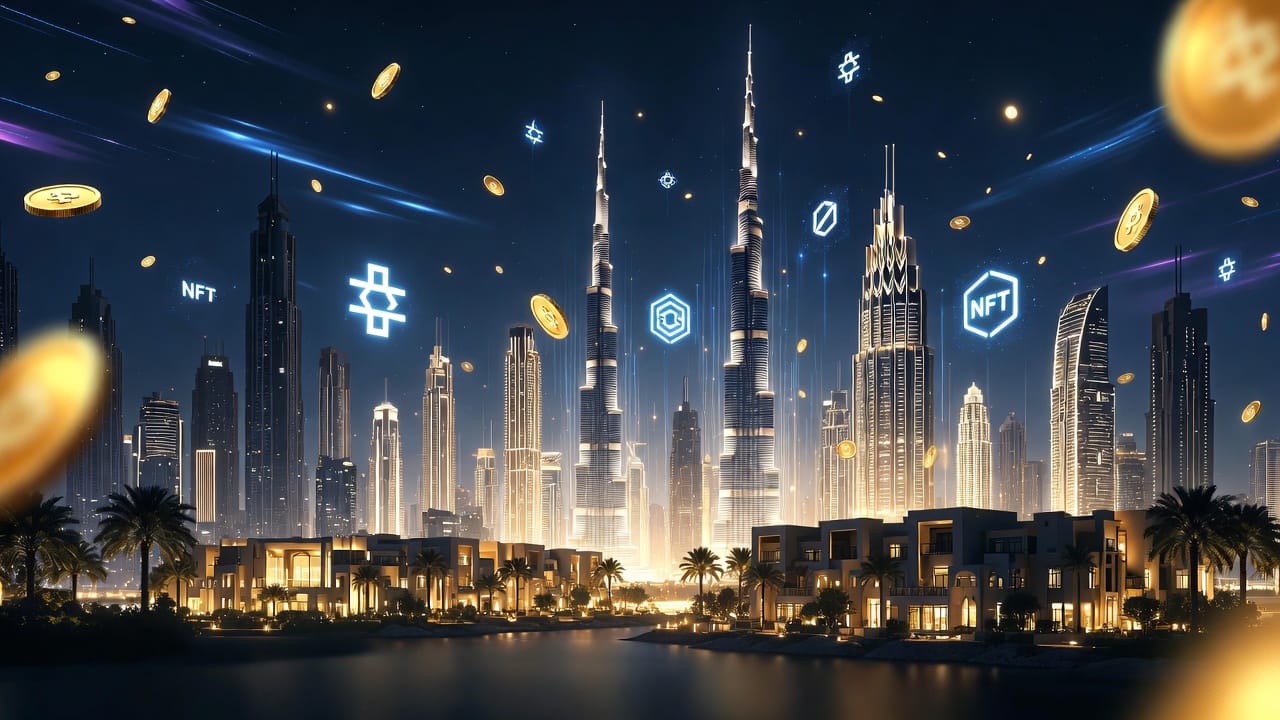
Dubai opens new horizons in real estate through blockchain technology
The futuristic city in the United Arab Emirates is adopting blockchain technology to reshape the real estate market, proposing an ambitious $16 billion tokenization plan. This initiative will allow the fragmentation of properties into digital tokens, facilitating fast, transparent, and accessible transactions even for small-scale investors. By integrating blockchain, buyers and sellers will benefit from an immutable transaction ledger, thus eliminating fraud and bureaucratic delays.
Main benefits of this new real estate ecosystem include:
- Global access: Investors worldwide can participate in real estate projects without geographical constraints.
- Transparency: Every transaction is digitally recorded, ensuring integrity and trust.
- Speed: Eliminating intermediaries accelerates the buying and selling process.
- Fractionalization: Properties can be divided into small units, opening markets to new categories of investors.
| Aspect | Impact |
|---|---|
| Tokenization | Digitization and sale of fractions |
| Transactions | Increased speed and security |
| Investors | Unrestricted access to the global market |
| Bureaucracy | Considerable reduction of administrative steps |
Impact of tokenization on Dubai’s traditional real estate market
The implementation of tokenization in Dubai’s traditional real estate market radically redefines how properties are traded and managed. This digital revolution facilitates wider access to investments, eliminating geographical barriers and reducing costs associated with classic intermediation. Properties thus become fractional digital assets, allowing investors to own parts of large-scale projects without needing full capital for acquisition. Besides increased transparency, the trading process is accelerated, and risks are reduced through the use of secure and immutable blockchain technologies.
- Reduction of bureaucracy through the digitization of documents and signatures;
- Optimization of liquidity through the possibility of quickly selling property fractions;
- Increased transparency with digital public ledgers accessible to all parties involved;
- Opening to new segments of investors, including the general public;
However, this transformation does not come without challenges. Integrating tokenization requires adapting the legislative and fiscal framework, as well as educating the traditional market. Additionally, developers and investors must familiarize themselves with new business models and the technical requirements of blockchain infrastructures. The following table highlights the impact of tokenization compared to classical methods regarding the efficiency and accessibility of Dubai’s real estate market.
| Aspect | Traditional methods | Tokenization |
|---|---|---|
| Transaction time | Weeks to months | Hours to days |
| Investor access | Restricted, high capital | Open, fractional |
| Transparency | Limited, physical documents | Maximum, blockchain |
| Intermediation costs | High | Significantly reduced |
Advantages and challenges of investing in tokenized properties
Investments in tokenized properties bring a series of notable advantages that radically transform how we perceive the real estate market. Firstly, tokenization allows fractionalization of properties, opening access to a much larger number of investors, including those with limited capital. Thus, traditional barriers are eliminated, and liquidity increases considerably, as tokens can be quickly traded on various digital platforms. Moreover, transparency and security are enhanced through the use of blockchain technology, offering investors increased confidence in the operations performed.
On the other hand, this innovation is not without challenges. One of the main obstacles is volatile and sometimes unclear regulation surrounding digital assets, which can create legal and fiscal uncertainties for investors. Additionally, technological integration requires advanced expertise, and the lack thereof can lead to cybersecurity issues or errors in the tokenization process. Furthermore, the real estate token market is still in its early stages, which implies risks related to the correct evaluation of assets and the widespread acceptance of this form of investment.
| Advantages | Challenges |
|---|---|
| Increased accessibility | Fluctuating regulations |
| Increased liquidity | Technological complexity |
| Transparency and security | Cybersecurity risks |
| Fractional investments | Market still developing |
Effective strategies for investors in real estate tokens
To fully capitalize on the opportunities offered by real estate tokenization, investors must adopt a structured and well-documented approach. Firstly, it is essential to carefully analyze the project and platform issuing the tokens, checking the transparency and regulations governing them. Smart portfolio diversification becomes a vital strategy, reducing risks associated with digital market fluctuations.
Key recommendations for investors:
- Evaluate the potential for appreciation through market studies and local real estate analysis;
- Monitor legislative developments regarding tokenization;
- Use secure platforms with a solid track record;
- Participate in communities and forums for information exchange;
- Consider token liquidity before investing long-term.
| Factor | Importance | Impact on investment |
|---|---|---|
| Platform transparency | Very high | Reduces fraud risks |
| Market volatility | Moderate | Influences returns |
| Legal regulations | Critical | Ensures investment stability |
Prospects of an expanding digital real estate ecosystem
As blockchain technology continues its expansion, the digital real estate ecosystem is radically transforming, offering a wide range of opportunities for both investors and developers. By tokenizing real estate assets, properties become accessible to a much broader audience, eliminating traditional barriers related to ownership and transactions. In this context, Dubai becomes a pioneer by allocating a monumental $16 billion budget to tokenization projects, aiming to create a global hub for digital real estate investments. This anticipated move has the potential to facilitate transparency, transaction speed, and property fractionalization.
Adopting this model brings clear advantages to the forefront, including:
- Eliminating intermediaries, significantly reducing costs associated with acquisitions.
- Increased accessibility for investors of all levels to large-scale real estate projects.
- The ability to trade tokens almost instantly, compared to the traditional bureaucratic process.
| Feature | Traditional model | Tokenized model |
|---|---|---|
| Transaction duration | Days – weeks | Minutes – hours |
| Investment access | Limited to high capital | Any investor |
| Additional costs | High commissions | Reduced commissions |
In Conclusion
In conclusion, Dubai’s revolutionary initiative to tokenize real estate assets worth $16 billion opens a new chapter for the global property market. By transforming ownership shares into accessible and tradable digital assets, the city-umbrella of innovation consolidates its position as a beacon of technology and smart investments. It remains to be seen how this digital revolution will evolve and what impact it will have on how we perceive and access real estate, but one thing is clear: the future of housing and real estate business is taking shape, with Dubai at the forefront of change.