

Introduction
Litecoin (LTC) is one of the oldest and most well-known cryptocurrencies in the market, frequently used for fast transfers and low fees. To safely store and use LTC, users need a wallet compatible with the Litecoin network.
There are many types of crypto wallets for LTC, and the right choice depends on the user’s experience, desired level of security, and how the cryptocurrency will be used.
This article analyzes the best wallets for Litecoin, including: – mobile wallets;
– desktop wallets;
– hardware wallets;
– options suitable for beginners and advanced users.
We will compare: – security;
– ease of use;
– available features;
– compatibility with Litecoin;
– level of control over funds.
What is a Litecoin Wallet?
A Litecoin wallet is an application or device that allows you to store, send, and receive LTC.
The wallet provides access to cryptocurrencies through private keys and a seed phrase, confirming that the user is the owner of the funds.
Depending on the wallet type, users can have access to: – self-custody storage;
– mobile and desktop applications;
– additional security features;
– compatibility with multiple cryptocurrencies.
Why You Need a Wallet for LTC
A wallet is necessary to have direct control over Litecoin and to keep cryptocurrencies safe.
Many users choose to transfer their LTC from exchanges to a personal wallet for: – additional security;
– complete control over funds;
– fast transactions;
– long-term storage of cryptocurrencies.
After users purchase Litecoin from exchanges or crypto platforms, the coins can be sent directly to a wallet compatible with the LTC network.
Difference Between an Exchange and a Crypto Wallet
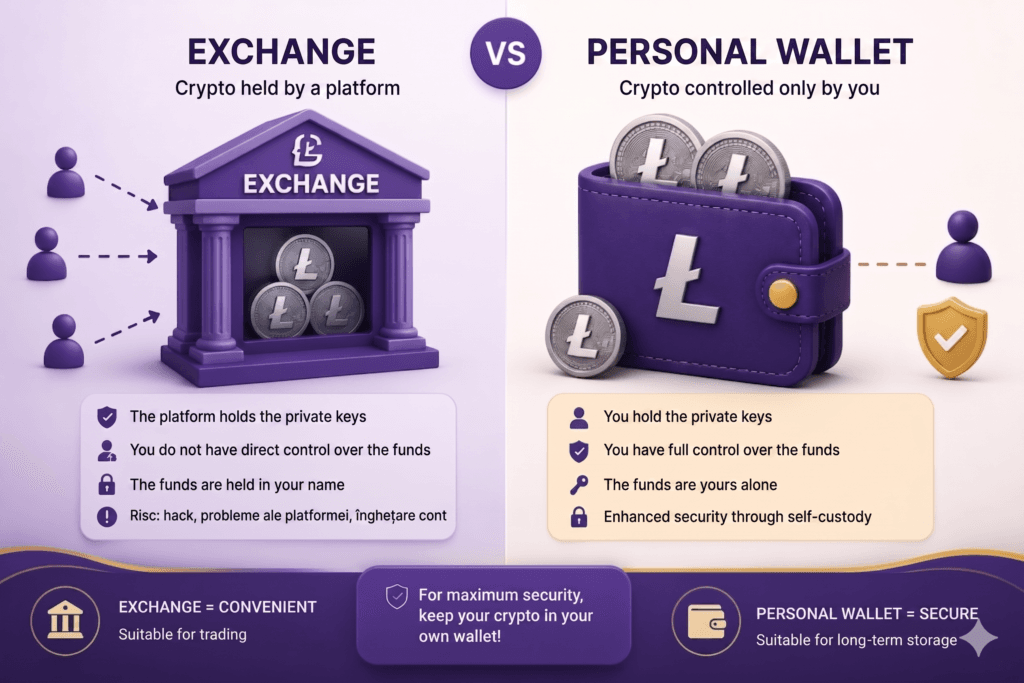
An exchange is a platform used for buying and selling cryptocurrencies.
A crypto wallet is used for storing and managing funds.
For example: – on an exchange, you can buy LTC;
– in a wallet, you can store and control your personal Litecoin.
For this reason, many users use both options: – exchange for buying and selling;
– wallet for storage and security.
How We Chose the Best Wallets for LTC
For this top, we analyzed several wallets compatible with Litecoin and compared them based on important criteria for security, ease of use, and compatibility with the LTC network.
We included wallets suitable for beginners as well as more advanced options for users who want additional control over their funds.
In evaluating the wallets, we considered:
– wallet security;
– control over private keys;
– compatibility with Litecoin;
– user experience;
– support for mobile and desktop;
– the wallet’s reputation in the crypto community.
Security
Security is one of the most important criteria when choosing a wallet for Litecoin.
We analyzed: – how private keys are stored;
– backup options;
– support for hardware wallets;
– additional protection features available.
Self-custody wallets offer users complete control over funds and reduce reliance on centralized platforms.
Ease of Use
Many crypto wallets offer advanced features, but not all are suitable for beginners.
We included wallets that: – are easy to install;
– have intuitive interfaces;
– allow quick sending and receiving of LTC;
– offer an easy-to-understand experience for new users.
Compatibility with Litecoin
Not all wallets support Litecoin in the same way.
We chose wallets that: – are compatible with the Litecoin network;
– allow sending and receiving LTC;
– offer stable support for transactions;
– are actively used by the crypto community.
Available Features
Some wallets offer only basic features, while others include additional options for advanced users.
Among the features analyzed are:
– staking or integration with other applications;
– crypto swaps;
– hardware wallet connection;
– multi-chain support;
– backup and recovery.
Support for Mobile and Desktop
Many users prefer to manage their Litecoin from both their phone and computer.
For this reason, we included wallets available for: – Android;
– iPhone;
– Windows;
– MacOS;
– browser extensions.
Self-Custody and Control Over Funds
An important criterion was the level of control offered to the user over the funds.
Self-custody wallets allow: – complete control over private keys;
– independent storage of LTC;
– direct transfer of cryptocurrencies;
– securing funds without intermediaries.
For many users, self-custody represents one of the main differences between a personal wallet and keeping cryptocurrencies on an exchange.
Top 8 Wallets for Litecoin (LTC)
1. Trust Wallet
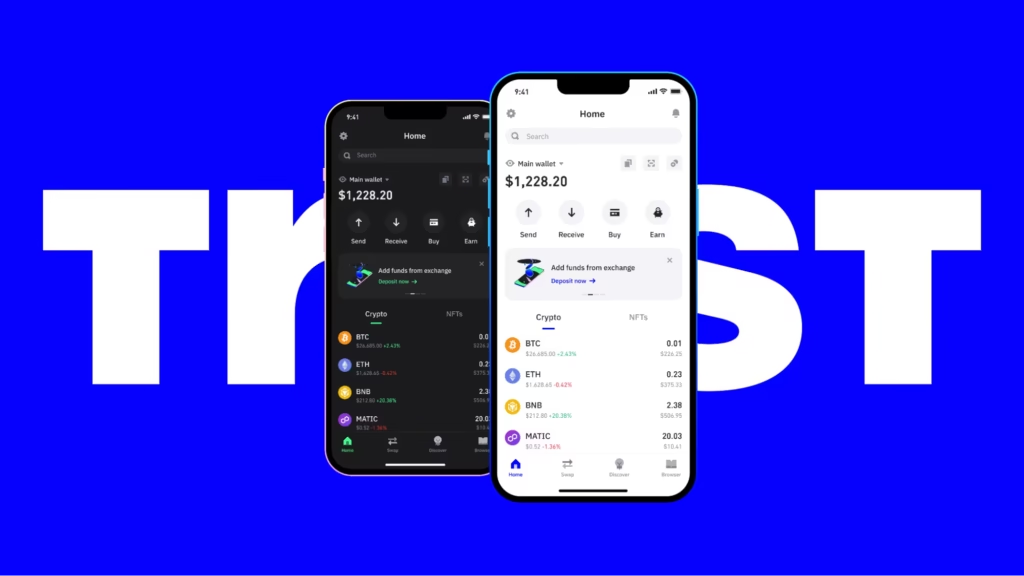
Trust Wallet is one of the most popular crypto wallets for users who want to store Litecoin directly on their phone.
The wallet is known for its simple interface and support for many cryptocurrencies, including LTC. The app is available for both Android and iPhone and can be used for sending, receiving, and managing funds directly from the app.
Trust Wallet offers users complete control over private keys and operates in a self-custody mode.
Advantages
– simple and intuitive interface;
– support for Litecoin and other cryptocurrencies;
– available on Android and iOS;
– complete control over funds;
– suitable for beginners.
Disadvantages
– fewer advanced features compared to some desktop wallets;
– security depends on the user’s device.
Who is it Suitable For
Trust Wallet is suitable for users who want a simple and quick wallet for managing Litecoin directly from their phone.
2. Ledger
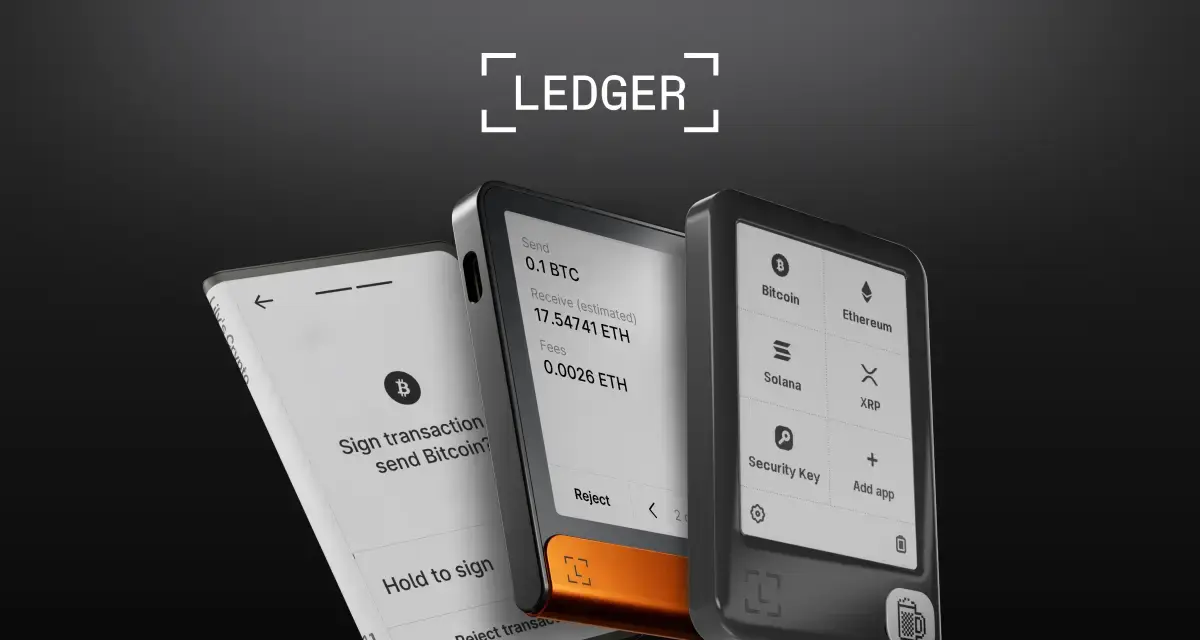
Ledger is one of the most well-known hardware wallets in the crypto industry and is a popular choice for users who want maximum security for Litecoin.
The device keeps private keys offline and reduces the risk of unauthorized access or malware attacks.
Ledger can be connected with compatible applications for managing LTC and is frequently used for long-term storage.
Advantages
– high level of security;
– private keys are kept offline;
– support for Litecoin and many other cryptocurrencies;
– compatibility with multiple applications and wallets;
– suitable for long-term storage.
Disadvantages
– requires purchasing a physical device;
– less convenient for quick daily use.
Who is it Suitable For
Ledger is suitable for users who want to keep Litecoin in high-security conditions and need complete control over their funds.
3. Exodus
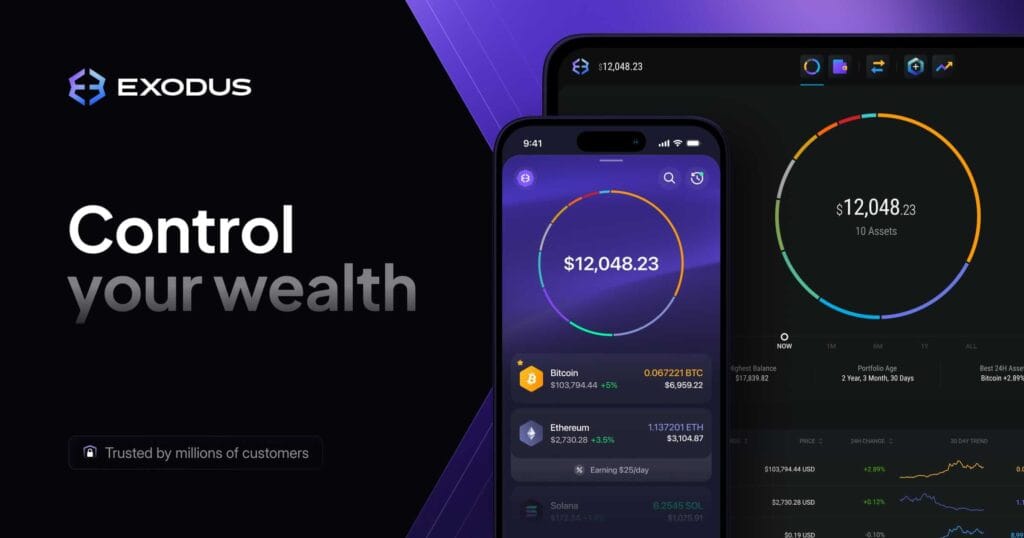
Exodus is a popular crypto wallet due to its modern design and easy-to-use experience. The wallet supports Litecoin and many other cryptocurrencies, being available on both desktop and mobile.
The interface is one of the most intuitive in the industry and is suitable for users who want to manage multiple crypto assets in one place.
Exodus also offers additional features such as crypto swaps and integration with hardware wallets.
Advantages
– modern and easy-to-use interface;
– support for Litecoin and many other cryptocurrencies;
– available on desktop and mobile;
– integrated features for crypto swaps;
– compatibility with hardware wallets.
Disadvantages
– not completely open-source;
– fewer advanced options for technical users.
Who is it Suitable For
Exodus is suitable for users who want a simple, modern wallet compatible with multiple cryptocurrencies.
4. Atomic Wallet
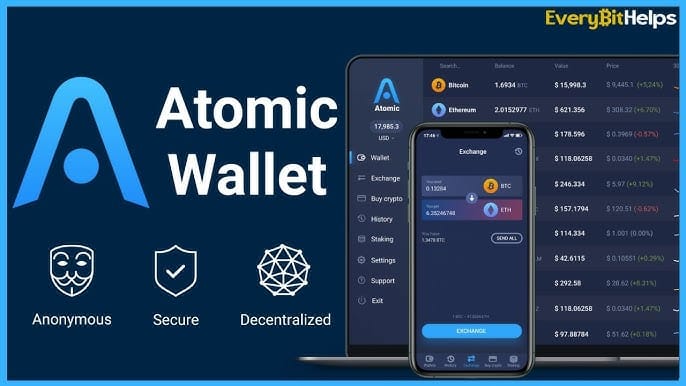
Atomic Wallet is a multi-chain wallet that offers support for Litecoin and hundreds of other cryptocurrencies.
The wallet is available for desktop and mobile and allows users to manage, send, and receive LTC from a single application.
Atomic Wallet is known for its ease of use and integrated crypto swap features.
Advantages
– support for many cryptocurrencies;
– available on desktop and mobile;
– simple interface;
– integrated features for swaps;
– complete control over private keys.
Disadvantages
– some features may involve higher fees;
– less suitable for users seeking very advanced features.
Who is it Suitable For
Atomic Wallet is suitable for users who want a simple and accessible multi-crypto wallet for managing Litecoin and other digital assets.
5. Electrum-LTC

Electrum-LTC is a dedicated version for Litecoin of the well-known Electrum wallet and is especially appreciated by more technical or advanced users.
The wallet focuses on speed, security, and transaction control, offering additional features compared to wallets exclusively oriented towards beginners.
Electrum-LTC is primarily available for desktop and allows connection with hardware wallets for additional security.
Advantages
– lightweight and fast wallet;
– advanced features for experienced users;
– support for hardware wallets;
– high control over transactions;
– good reputation in the crypto community.
Disadvantages
– more difficult interface for beginners;
– less modern experience compared to other wallets.
Who is it Suitable For
Electrum-LTC is suitable for users who want advanced control over Litecoin and additional features for managing transactions.
6. Guarda Wallet
Guarda Wallet is a popular multi-chain wallet that offers support for Litecoin and many other cryptocurrencies.
The wallet is available on desktop, mobile, and browser and offers users complete control over private keys and funds. The interface is simple and suitable for both new users and those using multiple crypto assets.
Guarda also includes additional features such as crypto swaps and integration with hardware wallets.
Advantages
– support for Litecoin and many other cryptocurrencies;
– available on desktop, mobile, and browser;
– simple and modern interface;
– complete control over funds;
– compatibility with hardware wallets.
Disadvantages
– some features involve additional fees;
– fewer advanced options for technical users.
Who is it Suitable For
Guarda Wallet is suitable for users who want a simple and flexible wallet for managing Litecoin and other cryptocurrencies.
7. Trezor

Trezor is one of the most well-known hardware wallets in the crypto industry and offers support for Litecoin and many other digital assets.
The wallet keeps private keys offline and is frequently used for long-term storage of cryptocurrencies.
Trezor is appreciated for its high level of security and for the complete control it offers users over their funds.
Advantages
– high security;
– private keys are kept offline;
– support for Litecoin and other cryptocurrencies;
– suitable for long-term storage;
– compatibility with multiple crypto applications.
Disadvantages
– requires purchasing a physical device;
– less convenient for quick daily transactions.
Who is it Suitable For
Trezor is suitable for users who want to secure Litecoin long-term and seek a high level of protection for funds.
8. Coinomi
Coinomi is one of the oldest multi-chain wallets in the crypto ecosystem and offers support for Litecoin and hundreds of other cryptocurrencies.
The wallet is available on desktop and mobile and is appreciated for its extensive compatibility and simple interface.
Coinomi offers users control over private keys and operates in a self-custody mode.
Advantages
– support for many cryptocurrencies;
– available on desktop and mobile;
– simple setup;
– complete control over funds;
– suitable for daily use.
Disadvantages
– the interface may seem older compared to other modern wallets;
– fewer advanced features for technical users.
Who is it Suitable For
Coinomi is suitable for users who want a simple multi-crypto wallet compatible with Litecoin and other digital assets.
What Type of LTC Wallet is Right for You?
The choice of a Litecoin wallet depends on the user’s experience, desired level of security, and how LTC will be used.
Some users look for a simple wallet for quick transactions, while others prefer advanced solutions for securing funds long-term.
Wallets for Beginners
For new users, the most suitable are simple and easy-to-use wallets.
Wallets like: – Trust Wallet;
– Exodus;
– Guarda Wallet;
offer: – quick installation;
– intuitive interfaces;
– easy access to Litecoin;
– compatibility with mobile and desktop.
These wallets are suitable for users using LTC for the first time and want a simple experience.
Wallets for Maximum Security
Users holding larger amounts of Litecoin often choose hardware wallets for additional protection.
Ledger and Trezor are among the most popular options for: – offline storage;
– securing private keys;
– protection against malware attacks;
– keeping LTC long-term.
Hardware wallets offer one of the highest levels of security available for cryptocurrencies.
Wallets for Daily Use
For users who frequently send and receive LTC, a mobile wallet is usually the most practical choice.
Wallets like: – Trust Wallet;
– Coinomi;
– Atomic Wallet;
allow: – quick access to funds;
– fast transactions;
– managing Litecoin directly from the phone.
Wallets for Multiple Cryptocurrencies
Many users do not only use Litecoin but also other cryptocurrencies such as Bitcoin, Ethereum, or Cardano.
Wallets like: – Exodus;
– Atomic Wallet;
– Guarda Wallet;
allow managing multiple crypto assets in one application and offer additional features such as crypto swaps or integration with Web3 applications.
How to Create a Litecoin Wallet
Creating a Litecoin wallet is a simple process and takes only a few minutes. Depending on the chosen wallet, it can be installed on a phone, computer, or used together with a hardware wallet.
For most new users, a software wallet like Trust Wallet or Exodus is sufficient to start using LTC.
Installing the Wallet
The first step is downloading the wallet from the official website or official app store.
Before installation:
– check the official website;
– avoid suspicious links;
– download the app only from verified sources;
– check the wallet name before installation.
After installation, the wallet will allow you to: – create a new wallet;
– import an existing wallet;
– configure additional security options.
Saving the Seed Phrase
When creating a new wallet, the app will generate a seed phrase consisting of 12 or 24 words.
This represents the wallet’s recovery key and is the most important part of fund security.
The seed phrase must be:
– kept offline;
– written on paper;
– kept in a safe place;
– kept private.
The seed phrase should NOT be:
– saved in screenshots;
– sent by email;
– kept in the cloud;
– entered on unknown websites.
Anyone with access to the seed phrase can control the funds in the wallet.
How to Receive LTC
After setting up the wallet, users can receive Litecoin using the public address generated by the wallet.
In general, the process is simple:
– press “Receive”;
– copy the Litecoin address;
– use the address to receive LTC.
The address can be used for: – transfers between wallets;
– withdrawals from exchanges;
– receiving Litecoin from others.
How to Send Litecoin
To send LTC to another wallet:
– enter the recipient’s address;
– select the amount;
– check the Litecoin network;
– confirm the transaction.
Before confirmation, it is important to carefully check the wallet address, as crypto transactions cannot be canceled after processing.
After users quickly buy Litecoin, the cryptocurrencies can be transferred directly into a personal wallet for more control and security.
Where Can You Buy Litecoin (LTC)?
Litecoin can be bought from international exchanges or crypto platforms compatible with users in Romania.
Depending on the platform, users can buy LTC using: – bank card;
– bank transfer;
– other cryptocurrencies.
After purchase, Litecoin can be transferred directly into a personal wallet for more control over funds.
International Exchanges
International exchanges usually offer: – high liquidity;
– multiple payment methods;
– trading features;
– support for multiple cryptocurrencies.
Among the most popular platforms for buying Litecoin are:
Binance

Binance is one of the largest crypto exchanges in the world and offers support for buying and trading Litecoin.
The platform is suitable for users looking for high liquidity and advanced features.
Kraken

Kraken is known for security and a solid reputation built in the crypto industry.
The exchange offers support for Litecoin and multiple purchase methods for European users.
Coinbase

Coinbase is one of the simplest platforms for beginners and allows quick buying of Litecoin through an easy-to-use interface.
Platforms for Users in Romania
In addition to international exchanges, there are also platforms oriented towards users in Romania.
Abarai

Abarai is a crypto platform oriented towards simple buying and selling of cryptocurrencies, including Litecoin.
The platform is built for users who want: – simplified LTC buying;
– support in Romanian;
– direct transfer to a personal wallet;
– a simpler experience than classic trading platforms.
After purchase, Litecoin can be sent directly into a personal wallet compatible with the LTC network.
Most Common Mistakes When Using an LTC Wallet
Many new users make simple mistakes when using a Litecoin wallet for the first time. In most cases, problems arise from a lack of basic checks or misunderstanding of how self-custody works.
Losing the Seed Phrase
The seed phrase is the main method of recovering the wallet.
If it is lost: – the wallet can no longer be recovered;
– access to Litecoin can be permanently lost;
– there is no technical support that can restore the funds.
For this reason, the seed phrase must be kept: – offline;
– in a safe place;
– away from others.
Sending LTC on Incompatible Networks
One of the most common mistakes is using the wrong network when users send Litecoin.
Before confirming the transaction:
– check the wallet address;
– check the selected network;
– check if the platform supports LTC.
A wrongly sent transaction can be difficult or impossible to recover.
Using Fake Wallets
There are many fake apps and extensions that mimic popular wallets to steal funds and seed phrases.
To avoid problems:
– download wallets only from official websites;
– check the app name;
– avoid suspicious links;
– do not enter the seed phrase on unknown sites.
Keeping Funds Only on Exchange
Many users choose to keep Litecoin directly on the exchange after purchase.
Although this may be convenient for quick transactions, users do not fully control the funds when they are kept on a centralized platform.
For this reason, many users choose to transfer LTC into a personal wallet for more control and security.
Frequently Asked Questions About LTC Wallets
What is the Best Wallet for Litecoin?
The choice of wallet depends on the user’s experience and desired level of security.
For beginners, wallets like Trust Wallet or Exodus are popular options due to their simplicity.
For maximum security, many users choose hardware wallets like Ledger or Trezor.
Is it Free to Create an LTC Wallet?
Yes, most software wallets for Litecoin are free and can be installed on a phone or computer.
However, blockchain transactions involve small network fees when LTC is sent to other addresses.
Can I Use the Wallet on My Phone?
Yes, many Litecoin wallets are available for Android and iPhone and allow managing funds directly from the phone.
Wallets like Trust Wallet, Coinomi, or Guarda offer mobile apps compatible with LTC.
Is a Hardware Wallet Safer?
Yes, hardware wallets are considered one of the safest methods for keeping Litecoin long-term.
They keep private keys offline and reduce the risk of unauthorized access.
Can I Buy LTC Directly in a Wallet?
Some wallets offer integrated features for buying cryptocurrencies, but many users prefer to use exchanges or dedicated platforms for purchase.
After purchase, Litecoin can be transferred directly into a personal wallet for more control over funds.
Conclusion
The choice of a Litecoin wallet mainly depends on the user’s experience and desired level of security.
For daily use and quick fund management, wallets like Trust Wallet or Exodus may be sufficient. In contrast, for long-term storage and additional security, hardware wallets like Ledger or Trezor are among the most popular options.
Regardless of the chosen wallet, keeping the seed phrase safe and carefully verifying transactions are essential for protecting LTC funds.