

In a strategic move meant to redefine the limits of blockchain interoperability, Ripple has announced the expansion of its RLUSD stablecoin, valued at $1.3 billion, to Ethereum’s Layer 2 via the Wormhole protocol. This integration promises to significantly increase transaction speed and efficiency, opening new horizons for users and investors in the crypto ecosystem. In this article, we’ll explore the technical and economic implications of this expansion, as well as its impact on the digital financial landscape.
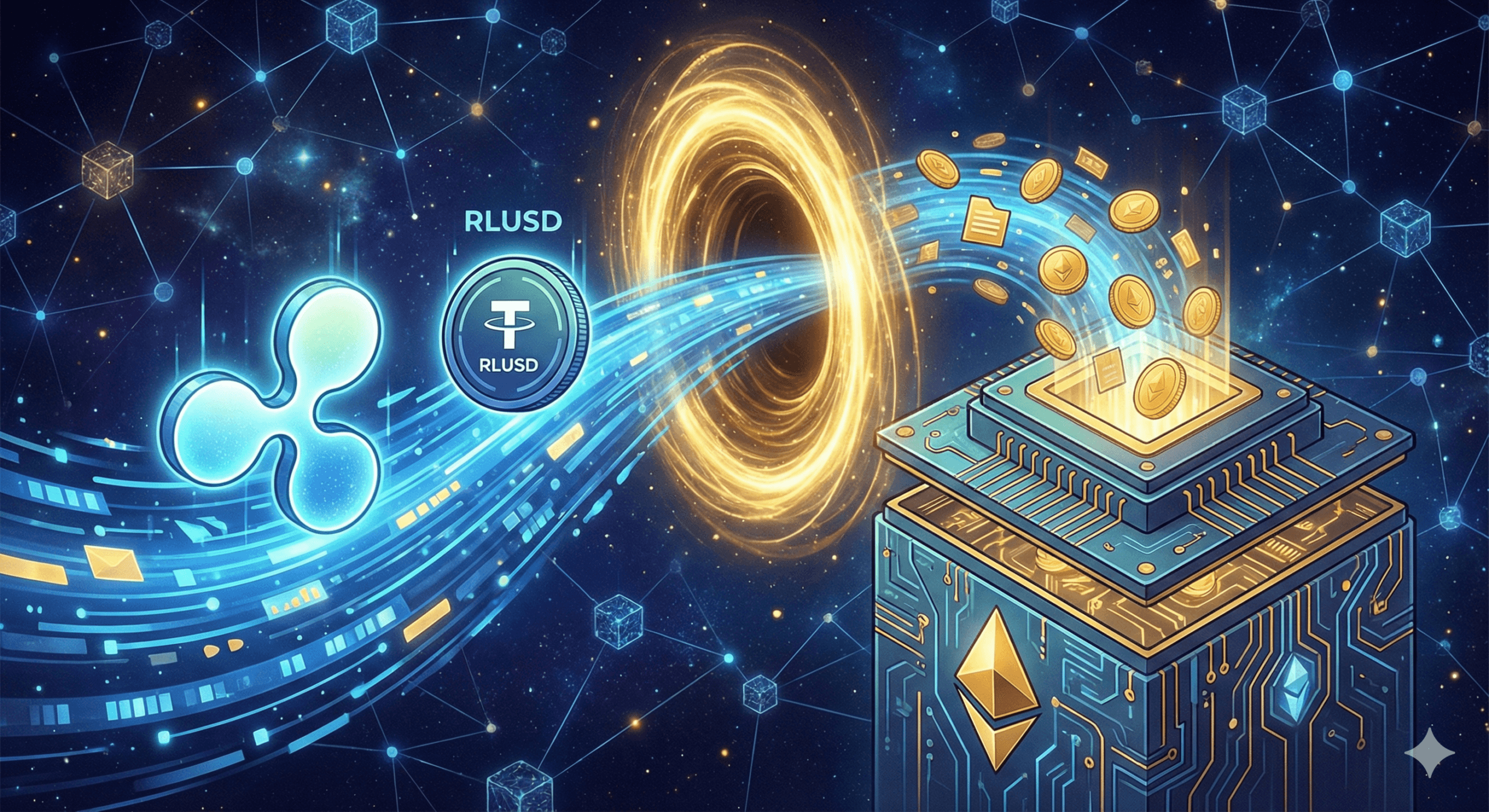
Expanding the RLUSD Stablecoin and Its Impact on the Ethereum Ecosystem
The impact on the Ethereum ecosystem is substantial, generating a wave of benefits that include:
- Increased liquidity across decentralized platforms
- Reduced congestion on Ethereum Mainnet
- Support for developers building innovative financial applications
These improvements help energize the DeFi market and reinforce Ethereum’s position as a leader in modular, scalable blockchain technology.
| Feature | Benefit |
|---|---|
| Wormhole cross-chain transfer | High speed and security |
| RLUSD stablecoin | Stability and broad adoption |
| Ethereum Layer 2 | Lower transaction costs |
Benefits of Integrating RLUSD on Layer 2 via the Wormhole Protocol
Integrating RLUSD on Layer 2 via Wormhole brings a series of significant advantages, improving the user experience and optimizing network performance. First, lower transaction costs are a key benefit, enabling fast, cheap transfers that are essential for mass adoption of the stablecoin. In addition, using Layer 2 drastically reduces congestion on the Ethereum network, and scalability becomes more accessible, while still preserving the core security of the main blockchain.
- Lower transaction costs – minimal fees compared to Layer 1.
- Optimized speed – fast confirmations for every RLUSD transfer.
- Greater scalability – support for a high volume of simultaneous transactions.
- Guaranteed interoperability – using Wormhole enables secure transfers between different blockchains.
Moreover, by integrating RLUSD via Wormhole on Layer 2, Ripple is paving the way for advanced interconnection between blockchain ecosystems, making it easy to use stablecoins seamlessly regardless of platform. This interoperability is essential for building a global decentralized financial system, where liquidity and accessibility become top priorities. In this context, Wormhole proves to be an essential bridge between networks, and RLUSD becomes a stable, fast bridge for digital transactions of both large and small value.
| Aspect | Benefit | Impact |
|---|---|---|
| Transaction costs | Lower fees | Greater accessibility |
| Speed | Fast confirmations | Smooth user experience |
| Scalability | Transactional multitasking | Supports user growth |
| Interoperability | Cross-chain transfer | Global ecosystem development |
How Ripple’s RLUSD Rollout Optimizes Scalability and Transaction Costs
RLUSD leverages the advantages of Layer 2 to bring about a significant shift in the stablecoin landscape. By deploying on Ethereum L2, Ripple considerably reduces the load on the main network, resulting in a faster and far more cost-efficient process. This setup allows RLUSD transactions to enjoy unprecedented scalability, supporting a high transaction volume without compromising security.
Furthermore, the L2 infrastructure optimizes transaction fees, giving users a better economic experience. The benefits include:
- Transaction fees cut to a minimum
- Fast confirmations within seconds
- High processing capacity with no congestion
As a result, RLUSD’s rollout on this platform creates a robust ecosystem, capable of supporting both micropayments and large-value transfers, while maintaining an ideal balance between security and performance.
Challenges and Opportunities of RLUSD’s Expansion on Ethereum L2
RLUSD’s expansion to Ethereum L2 via Wormhole brings both technical challenges and significant growth opportunities. From a technological standpoint, interoperability between complex networks and ensuring the security of funds are major obstacles, especially given the use of Wormhole, a cross-chain protocol. At the same time, managing scalability on Layer 2 while maintaining transaction speed creates a constant need for optimization. Beyond that, market volatility and ever-changing regulations can directly influence RLUSD’s adoption on this new infrastructure.
- The complexity of cross-chain integrations and their associated risks
- The need for continuous security monitoring in the L2 ecosystem
- The potential for rapid liquidity growth thanks to broader access
- Lower transaction costs for end users
On the opportunity side, RLUSD on Ethereum L2 not only makes access easier for a wider audience, but also drives innovation in the stablecoin space. Adoption on an expanded layer could turn RLUSD into an essential pillar of the DeFi ecosystem, by creating new capital flows and through strategic partnerships with various projects. Moreover, the flexibility offered by Wormhole can pave the way for tailored solutions suited to specific market needs, further strengthening Ripple’s position as a major player in the blockchain space.
| Aspect | Challenges | Opportunities |
|---|---|---|
| Technology | Interoperability and security | Scalability and lower costs |
| Market | Volatility and regulation | Wider access and greater liquidity |
| Development | Integration complexity | Innovation and strategic partnerships |
Recommendations for Investors and Developers in Light of Ripple’s New Rollout
Investors should pay close attention to RLUSD market dynamics, factor in the inherent volatility of stablecoins deployed on secondary layers, and keep an eye on the Wormhole integration for possible arbitrage and portfolio diversification opportunities. It’s advisable to monitor Ripple’s technical updates and adjust medium- and long-term strategies accordingly, especially given the closer interconnection with Ethereum. At the same time, ongoing risk assessment around scalability and security will help prevent unnecessary exposure.
Developers interested in this technology can benefit from the new APIs and SDKs made available to ease RLUSD integration into various decentralized applications. Recommendations include:
- Optimizing smart contracts for cross-chain compatibility and high performance.
- Strengthening security mechanisms to protect users’ funds within L2 and Wormhole.
- Collaborating with open-source communities for fast feedback and agile development.
- Extensive testing on Ethereum testnets to ensure stability and interoperability.
This holistic approach will ensure a robust experience both for end users and for everyone involved across the blockchain value chain.
| Aspect | Key Recommendation |
|---|---|
| Investors | Carefully manage L2 volatility risk |
| Developers | Optimize and secure cross-chain smart contracts |
| Both Sides | Monitor Ripple and Ethereum updates |
Key Takeaways
As Ripple expands its RLUSD stablecoin onto the Ethereum L2 network via Wormhole, it’s opening new horizons for interoperability and efficiency across the blockchain ecosystem. This move reflects not just a technological evolution, but a strategic vision for a future where digital assets can move freely, securely and quickly between different platforms. In a digital world in constant transformation, initiatives like this one remind us that innovation is the engine of progress, and that the traditional boundaries of finance are being redefined.