

Blockchains are incredibly popular these days. We hear this term everywhere: Blockchain. But what is blockchain? How does it work, what problems does it solve, and how can it be used? In the following article, we will explore the concept of Blockchain.
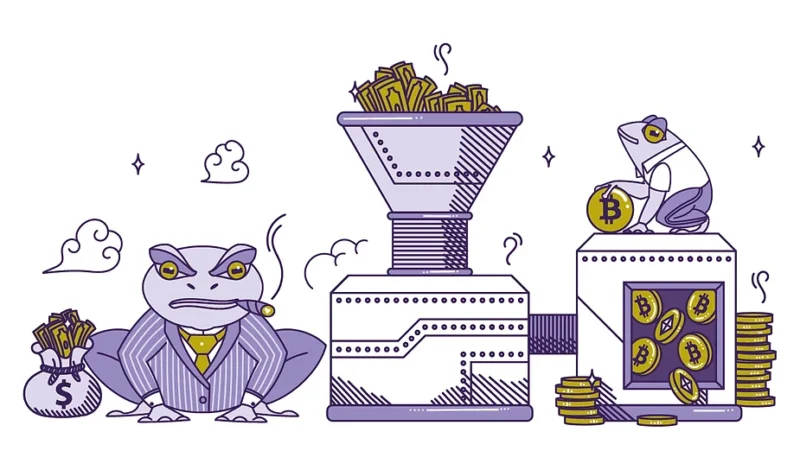
When was this technology first used?
As the name suggests, a blockchain is a chain of blocks containing information. “Block” means block, and “chain” means chain.

This technique was initially used in 1991 by a group of researchers and was intended to timestamp digital documents so they could not be modified or tampered with later. The purpose then was for this technology to validate and authenticate documents in a secure, immutable, and transparent way without needing a trusted authority like a notary.
However, the technique remained unused until 2009 when Satoshi Nakamoto adapted it to create the cryptocurrency Bitcoin. A blockchain is a distributed ledger that is public, and anyone can access it. It has an interesting property: once information is recorded in a blockchain, it becomes very difficult to change it.
What is blockchain?
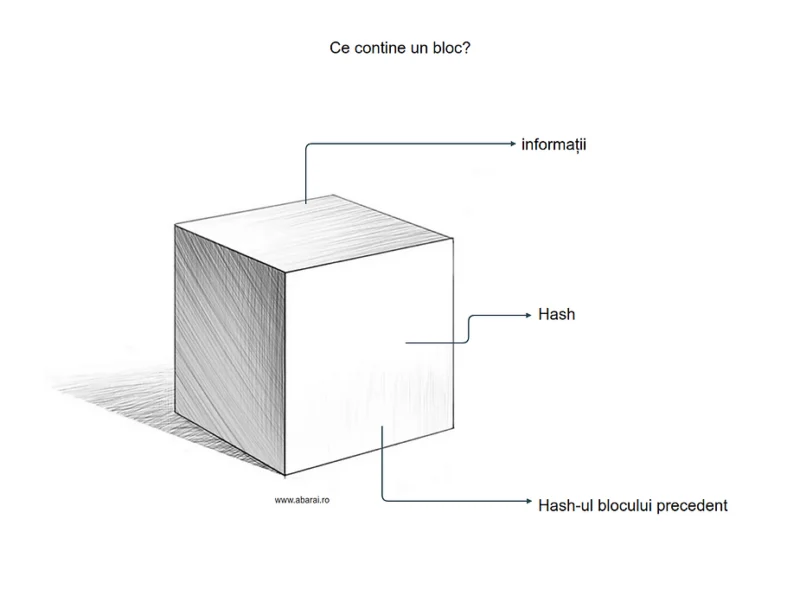
How does it work? Let’s take a closer look at a block. Each block contains information, the block’s hash, and the previous block’s hash.
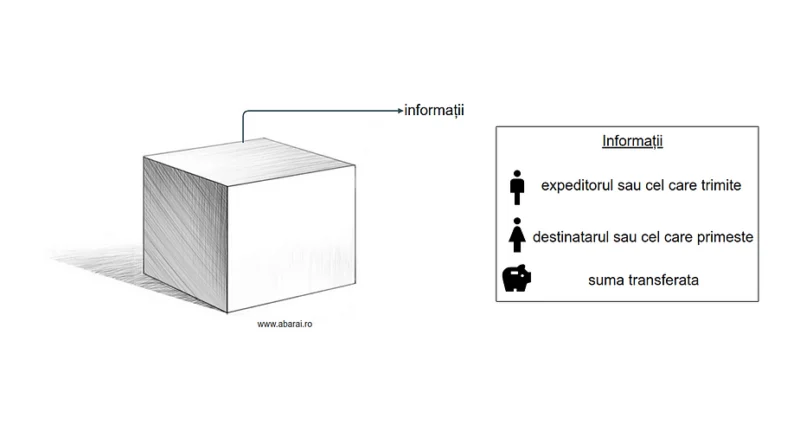
The information stored in a block depends on the type of blockchain. The Bitcoin blockchain, for example, stores details about a transaction, such as the sender, the recipient, and the amount of cryptocurrency transferred.
A block also has a hash. You can compare a hash to a fingerprint or a unique registration code. It serves to identify a block and all its properties, and it is always unique, like a fingerprint.

What is a hash?
The third element in each block is the previous block’s hash. This effectively creates a chain of blocks, and this technique makes a blockchain so secure. Let’s take an example. In the image above, we have a chain of four blocks. Each block has a hash and the previous block’s hash. Therefore, block number 3 points to block 2, and block 2 points to block 1. The first block is special because it cannot point to a previous block, as it is the first. This block is called the genesis block.
Now, let’s say you change block 2. This will change the block’s hash, which will cause block 3 and all subsequent blocks to become invalid because they no longer hold a valid hash of the previous block. So, changing a single block makes all subsequent blocks invalid.

But using hashes is not enough to prevent changes. Today’s computers are very fast and can calculate hundreds of thousands of hashes per second. Thus, you could modify a block and recalculate the hashes of all blocks to make the blockchain valid again.
To prevent this, blockchains use a mechanism called “proof-of-work.” This slows down the process of creating new blocks. In the case of Bitcoin, it takes about 10 minutes to calculate the proof-of-work and add a new block to the chain. This mechanism makes it very difficult to modify blocks because if you change a block, you need to recalculate the proof-of-work for all blocks.
Thus, the security of a blockchain comes from the creative use of hashes together with the proof-of-work mechanism. But there is another way blockchains secure themselves, and that is their distribution. Instead of using a central entity to manage the chain, blockchains use a peer-to-peer network that anyone can join. When someone joins this network, they receive a complete copy of the blockchain, and that person runs a Bitcoin node, meaning they have downloaded all transactions from the first transaction and have a copy of the ledger on their computer.
What happens when a new block is created?
Now, let’s see what happens when someone creates a new block. This new block is sent to everyone in the network. Each node verifies the block to ensure it has not been modified. If everything is fine, each node adds this block to its own blockchain. All nodes in this network create consensus. They agree on which blocks are valid and which are not. Modified blocks will be rejected by other nodes in the network.

Therefore, to successfully modify a blockchain, you would need to change all the blocks in the chain, redo the proof-of-work for each block, and take control of over 50% of the peer-to-peer network. This is almost impossible to achieve!
Blockchains are also continuously evolving. One of the latest developments is the creation of smart contracts. These contracts are simple programs stored on the blockchain and can be used to automatically exchange coins based on certain conditions.
Where can I buy Bitcoin or other cryptocurrencies in Romania?
Now you know what a blockchain is, how it works at a basic level, and what problems it solves. If you want to buy Bitcoin or other cryptocurrencies, you can visit Abarai, where you will find all the support you need.